
Trézor.io/Start — Starting Up™ Your Device | Trezor®
Trezor.io/start guides users through key Trezor wallet setup concepts, including device preparation, Trezor Suite connection, account management, and recovery phrase protection.
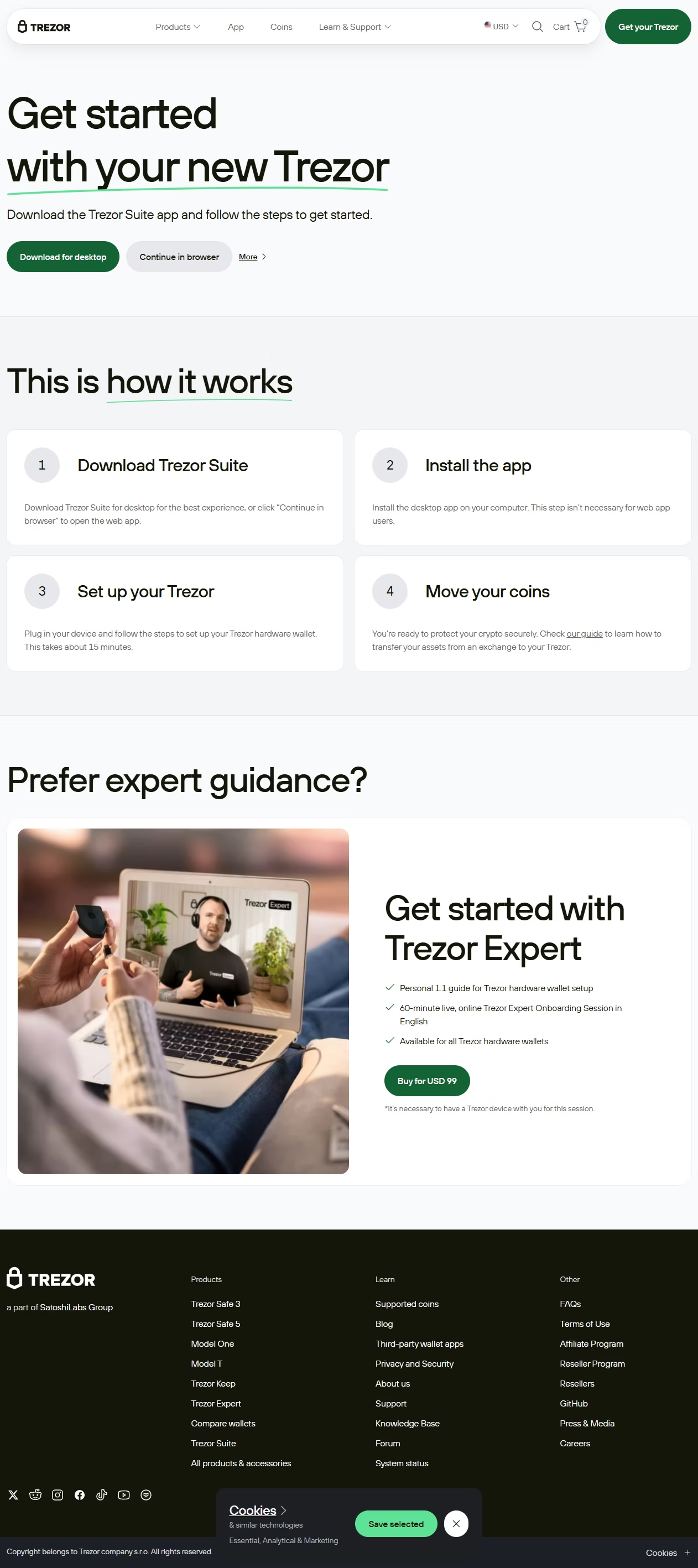
Trezor.io/start: A Complete Guide to Trezor Wallet Setup
Getting started with a hardware wallet requires careful preparation because the process involves a physical device, wallet software, security credentials, and a private backup. For someone using a Trezor hardware wallet for the first time, understanding how these parts work together can make the setup process much easier to follow.
Trezor.io/start is designed as a starting point for users beginning their Trezor wallet setup. From connecting the device to preparing the wallet and using Trezor Suite, each stage plays an important role in establishing a secure self-custody environment.
What Is Trezor.io/start?
Trezor.io/start is the setup starting point for users who want to initialize and use a Trezor hardware wallet. It can direct users toward the software and instructions needed to prepare a compatible Trezor device.
The setup experience can vary depending on the Trezor model and the current version of Trezor Suite. Users should therefore follow the instructions presented for their specific device rather than relying on outdated screenshots or unofficial guides.
Starting from the correct website is also an important security practice. Fake wallet websites can imitate legitimate branding and attempt to collect sensitive information from unsuspecting users.
Why Choose a Trezor Hardware Wallet?
A hardware wallet is designed to provide a dedicated environment for managing the credentials associated with cryptocurrency accounts.
With a Trezor device, users can interact with compatible wallet software while using the physical device for important security and transaction-confirmation steps.
This approach gives users greater visibility into the actions they are approving. Instead of relying only on information displayed on a computer, users can review relevant transaction details on the hardware wallet before confirmation.
Preparing for Trezor Wallet Setup
Before beginning the Trezor.io/start process, users should have their hardware wallet and the required connection accessories ready.
It is also useful to prepare a private location where the wallet can be initialized without other people watching the setup process. Wallet backup information is extremely sensitive and should never be exposed to another person.
Users should also make sure that they understand the difference between ordinary account information and wallet backup information. A wallet backup should never be treated like a normal password that can be shared or entered into an online form.
Installing Trezor Suite
Trezor Suite is the software environment used with compatible Trezor hardware wallets. Depending on the supported setup, users may access Trezor Suite through a desktop application or supported browser experience.
When beginning the setup, users should obtain the software through Trezor's trusted official channels. Downloading wallet software from random websites, advertisements, or links received in unsolicited messages can create unnecessary security risks.
Once the application is installed or opened, users can follow the displayed instructions for connecting their particular Trezor device.
Connecting Your Trezor Device
After opening Trezor Suite, the hardware wallet can be connected according to the instructions for the relevant model.
The software may recognize the device and guide the user through initial security checks and setup steps. Users should read these messages carefully rather than clicking through the process without reviewing the information.
If the software displays an unexpected warning or indicates that something about the device requires attention, it is better to stop and investigate before proceeding.
Checking the Device Before Setup
Device verification is an important part of hardware-wallet setup. Users should pay attention to any instructions provided by Trezor Suite concerning the condition and authenticity of the device.
A hardware wallet should be treated as a security-sensitive product. If something about the packaging, device, connection, or software appears unusual, users should seek guidance through trusted Trezor resources instead of ignoring the issue.
Taking a few additional moments during the initial setup can help users establish better security habits from the beginning.
Installing or Updating Firmware
Depending on the Trezor model and its current state, the device may require firmware installation or an update before the wallet can be initialized.
Firmware-related instructions should be followed carefully because the process prepares the hardware for normal operation. Users should use only the software and firmware options provided through trusted Trezor channels.
The exact screens and available firmware choices can change over time, so users should follow the instructions displayed by the current Trezor setup environment.
Creating a New Trezor Wallet
After the device is prepared, users can generally choose whether they want to create a new wallet or recover an existing one, depending on their circumstances and device support.
When creating a new wallet, the hardware device generates the information required for wallet recovery. Users should follow the instructions shown directly through the Trezor setup process.
The backup should be recorded carefully and kept in a secure private location. It should never be photographed, emailed, uploaded to cloud storage, or entered into an unfamiliar website.
Protecting Your Wallet Backup
The wallet backup is one of the most important security elements in a self-custody setup.
Someone who gains access to the backup information may potentially be able to recover the wallet on another compatible device. For that reason, the backup should remain private throughout the life of the wallet.
Users should never share it with someone claiming to be from customer support. A request for wallet backup information through email, chat, social media, or an unexpected website should be treated as suspicious.
Setting Up Device Security
Depending on the Trezor model, the setup process may include configuring additional device security such as a PIN.
Users should select security information carefully and avoid using details that can easily be guessed by someone who knows them personally.
The physical device should also be stored securely when it is not being used. Protecting both the device and its associated backup information is an important part of responsible self-custody.
Using Trezor Suite After Setup
After the initial setup is complete, Trezor Suite can provide an interface for managing supported cryptocurrency accounts.
Users may be able to add accounts, view balances, review transaction history, and access supported asset-management features. Available functionality depends on the current Trezor Suite version and the cryptocurrency being managed.
The software makes account management more convenient, but the hardware wallet remains an important component when authorizing sensitive operations.
Receiving Cryptocurrency Safely
Receiving cryptocurrency begins with selecting the appropriate account and generating a receiving address.
Users should verify that the selected asset and network match the cryptocurrency they expect to receive. Sending an asset through the wrong network can create serious problems.
When the available workflow supports it, checking the address on the Trezor device provides another opportunity to confirm that the displayed information matches the intended receiving address.
Sending Cryptocurrency Securely
Sending cryptocurrency requires careful attention because many blockchain transactions cannot be reversed after confirmation.
Before approving a transaction, users should review the recipient address, amount, asset, network, and applicable transaction fee.
The transaction information shown on the Trezor hardware wallet should be checked carefully before confirmation. If an address or amount does not match expectations, users should reject the transaction and investigate the issue.
Avoiding Fake Trezor.io/start Pages
One of the biggest risks for new hardware-wallet users is accidentally visiting a fraudulent setup page.
A fake Trezor website may copy the appearance of a legitimate page and claim that users need to verify their wallet, synchronize their device, or enter backup information.
Users should never provide their wallet backup simply because a website requests it. They should also avoid downloading Trezor-related applications from unofficial sources.
When searching for Trezor.io/start, checking the website address carefully is an important first step.
Keeping Trezor Suite Updated
Wallet software can receive updates that improve compatibility, functionality, and security. Users should keep track of updates provided through trusted Trezor software.
When an update is available, users should follow the instructions presented by the official application rather than relying on instructions from an unfamiliar message or website.
Unexpected update notifications received through email or social media should be treated carefully, particularly if they request sensitive wallet information.
Common Trezor Setup Mistakes
New users can encounter several avoidable problems during hardware-wallet setup. These include downloading software from unofficial sources, rushing through the backup process, failing to verify transaction information, or sharing sensitive wallet details.
Another common mistake is confusing Trezor Suite with the hardware device itself. The software provides the interface for managing supported accounts, while the physical wallet plays an important role in protecting and authorizing sensitive operations.
Understanding this distinction makes the overall setup easier to manage.
What to Do When Something Seems Wrong
If a website asks for a wallet backup, a transaction appears unfamiliar, or Trezor Suite displays an unexpected warning, users should pause before continuing.
Do not attempt to solve the issue by entering sensitive information into a random form or contacting an unverified support account.
Instead, close the suspicious page and consult trusted Trezor documentation. If a transaction is involved, verify the details on the physical device before approving anything.
Building Better Trezor Security Habits
Good hardware-wallet security comes from consistent behavior.
Users should keep their Trezor device protected, store their wallet backup securely, use trusted software, verify cryptocurrency addresses, check networks carefully, and review transactions on the hardware wallet.
It is also important to remain cautious about unsolicited support messages. A person claiming to help with a Trezor wallet should never automatically be trusted simply because they know details about the setup process.
Final Thoughts
Trezor.io/start provides a useful starting point for users who are beginning the setup of a Trezor hardware wallet. The process involves preparing the device, connecting it with compatible software, completing the wallet setup, protecting the backup, and learning how to manage supported cryptocurrency accounts.
Trezor Suite can make everyday wallet management more convenient, but secure self-custody also depends on the user's actions. Protecting the wallet backup, verifying transactions, using trusted software, and avoiding suspicious websites are all essential habits.
By approaching the Trezor.io/start process carefully and understanding the purpose of each setup stage, users can create a more organized and security-conscious foundation for managing their cryptocurrency.
Updated about 5 hours ago