
Trézor.io/Start — Starting Up™ Your Device | Trezor®®
Trezor.io/start guides new users through essential hardware wallet setup concepts, device preparation, Trezor Suite access, crypto account management, and wallet security.
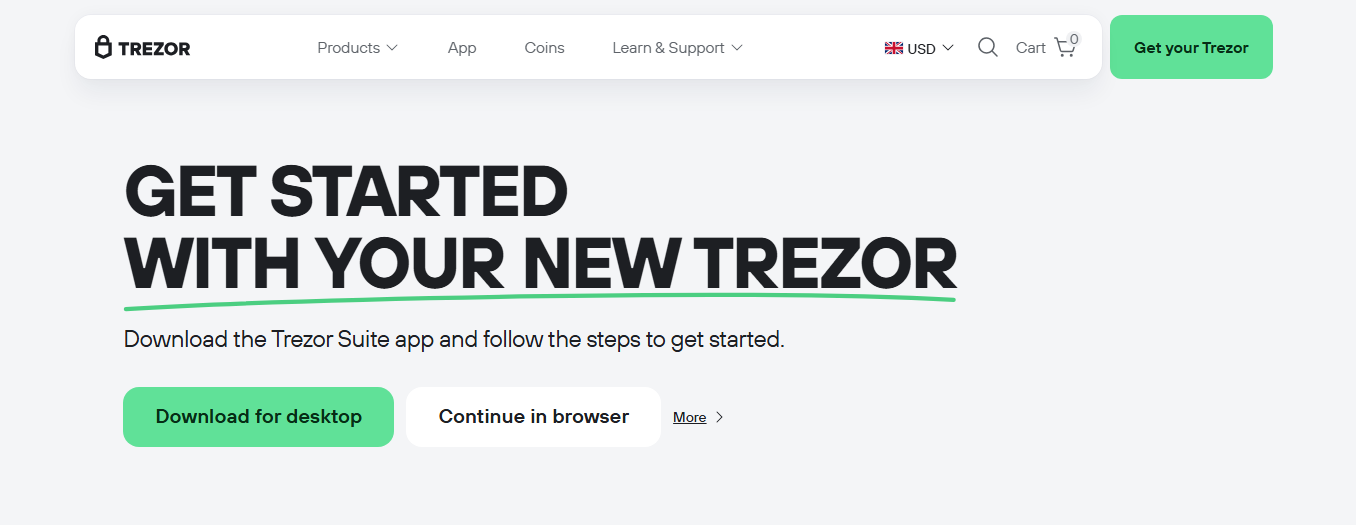
Trezor.io/start: A Complete Guide to Trezor Wallet Setup and Security
Setting up a hardware wallet is an important step for anyone who wants greater control over their cryptocurrency. Unlike a conventional online wallet, a hardware wallet is designed to keep sensitive wallet credentials protected through a dedicated physical device. For new Trezor users, understanding the setup process can make it easier to configure the device, connect compatible software, protect recovery information, and manage digital assets responsibly.
Trezor.io/start is commonly associated with the beginning of the Trezor hardware-wallet setup journey. A careful setup involves more than connecting a device to a computer. Users should understand device initialization, wallet recovery, PIN protection, software connections, transaction verification, and the security practices that should continue long after the initial configuration.
What Is Trezor.io/start?
Trezor.io/start refers to the starting point associated with setting up a Trezor hardware wallet. It can help users understand the basic steps involved in preparing their device and getting started with the software environment used to manage supported cryptocurrency accounts.
The setup process may vary depending on the Trezor device model and current software version. Users should therefore follow the instructions presented for their particular device rather than assuming that every Trezor model uses exactly the same interface.
Why a Careful Trezor Setup Matters
A hardware wallet can provide an additional layer of protection, but it does not eliminate every security risk. Phishing websites, fake support messages, malicious software, incorrect wallet addresses, and careless handling of recovery information can still create serious problems.
A careful setup establishes the foundation for safer cryptocurrency management. Taking time to understand each step is generally better than rushing through the process simply to start using the wallet.
Preparing for Trezor.io/start
Before beginning, users should have their Trezor device available along with a suitable computer or compatible environment. The computer should be kept reasonably secure and updated.
Users should also be careful about where they obtain wallet software and instructions. Cryptocurrency users are often targeted by fake websites that imitate legitimate wallet services, so unfamiliar links and download pages should be approached cautiously.
Beginning the Trezor Hardware Wallet Setup
Once the appropriate software environment is ready, users can connect their Trezor device and begin the setup process. The device may display instructions that guide the user through initial configuration.
Users should read these instructions carefully and avoid relying entirely on what appears on a computer screen. The physical hardware wallet is an important part of the security process and should be treated as a trusted verification point.
Initializing the Trezor Device
Device initialization establishes the basic configuration required for using the hardware wallet. Depending on the device and software version, the process can include security settings, wallet creation, and recovery setup.
Users should follow the instructions intended for their specific device. If a setup screen appears unusual or requests information that should not normally be required, users should stop and verify the situation before continuing.
Creating a Secure Device PIN
A device PIN can help prevent unauthorized access to the physical wallet. Users should choose a PIN that is difficult for others to guess and should avoid sharing it with anyone.
A PIN should also not be confused with a recovery wallet backup. These serve different purposes, and users should understand the role of each security element during setup.
Understanding the Recovery Backup
The recovery backup is one of the most important parts of a hardware-wallet setup. It can be used to recover access to a wallet under appropriate circumstances, which makes protecting it extremely important.
Users should record recovery information carefully according to the instructions provided during setup. It should remain private and protected from unauthorized access.
Never Share Your Recovery Information
A recovery phrase or backup should never be sent to another person, uploaded to a website, or entered into an unfamiliar form.
Users should be especially suspicious if someone claims to be Trezor support and asks for recovery information. Legitimate troubleshooting should not require users to reveal sensitive wallet backup information to strangers.
Connecting Trezor Suite
Trezor Suite provides a software environment for interacting with compatible Trezor hardware wallets. Through the software, users can manage supported accounts, review portfolio information, and interact with supported cryptocurrency networks.
The exact features available can depend on the device model, software version, and cryptocurrency being used. Users should follow current instructions for their particular setup.
Managing Cryptocurrency Accounts
After completing the initial setup, users can begin organizing supported cryptocurrency accounts. Different assets and networks may require different account configurations.
Careful account selection is important because similarly named assets may exist on multiple blockchain networks. Before sending funds, users should make sure that the selected account and network correspond to the asset being transferred.
Receiving Cryptocurrency Safely
Receiving cryptocurrency generally involves sharing an appropriate wallet address with the sender. Before providing an address, users should confirm that it belongs to the intended account.
It is good practice to verify important address information rather than assuming that a copied address is correct. Users should also make sure they are using the appropriate blockchain network for the asset.
Verifying Transactions Before Sending
Sending cryptocurrency requires additional attention because blockchain transactions can be difficult or impossible to reverse once confirmed.
Before approving a transaction, users should carefully review the destination address, asset, network, and amount. When transaction details are displayed on the Trezor device, users should compare them with their intended transaction before approving anything.
If the information does not match, the transaction should not be confirmed until the discrepancy has been understood.
Recognizing Fake Trezor Websites
One of the biggest risks for new hardware-wallet users is phishing. Fraudulent websites may imitate legitimate Trezor pages and use familiar branding to convince users that they are in the correct place.
Users should carefully verify the website they are visiting before downloading software or entering any information. Search advertisements, unexpected links, and messages from unknown sources should receive additional scrutiny.
Avoiding Fake Trezor Support
Scammers may also pretend to be customer-support representatives. They may claim that a wallet has encountered an error, requires verification, or needs to be restored.
These messages can be designed to create urgency. Users should never provide their recovery backup, private credentials, or other sensitive wallet information to someone simply because that person claims to offer technical support.
Keeping Trezor Software Updated
Wallet software can receive updates that improve compatibility, functionality, or security. Users should keep their software reasonably current while making sure updates are obtained from a trusted source.
A supposed update received through an unexpected pop-up or suspicious message should not automatically be trusted. Fake applications can be designed to look similar to legitimate wallet software.
Common Trezor Setup Mistakes
Beginners may encounter several avoidable errors during hardware-wallet setup. These can include skipping security instructions, failing to protect the recovery backup, choosing an incorrect account or network, approving transactions without checking details, or downloading software from an unofficial source.
Another serious mistake is entering recovery information into an online page. Users should treat requests for sensitive wallet backups as a warning sign.
Using the Hardware Wallet for Verification
The physical Trezor device provides an important verification point during wallet operations. When transaction details appear on the device, users should compare them with the transaction they intended to make.
If the recipient address or amount is unexpected, the transaction should be rejected rather than approved automatically.
Building Long-Term Trezor Security Habits
Hardware-wallet security does not end when the initial setup is complete. Users should continue protecting their recovery backup, keep software updated, verify addresses, avoid suspicious links, and carefully review transactions.
It is also important to avoid making rushed decisions. A message that claims funds will immediately disappear unless the user follows urgent instructions should be treated with caution.
What to Do If Something Looks Wrong
If a Trezor setup screen, software prompt, website, or transaction appears unusual, users should pause before taking further action.
Instead of searching for an unfamiliar support contact or entering recovery information into a random website, users should consult trusted documentation and carefully verify what the device is requesting.
Final Thoughts
Trezor.io/start can be a useful starting point for people learning how to configure a Trezor hardware wallet and establish safer cryptocurrency-management practices. The process involves more than installing software; users need to understand device security, recovery information, account management, transaction verification, and phishing protection.
A hardware wallet works best when combined with careful user behavior. Protecting the recovery backup, verifying transactions on the physical device, using trusted software, and remaining cautious around unexpected support messages can help users develop stronger security habits for managing digital assets over the long term.
Updated about 5 hours ago